LongHorn Steakhouse Steak Doneness Guide: Rare to Well Done
LongHorn Steakhouse steak doneness guide,For years I walked into LongHorn, glanced at the menu, and simply said “medium” without giving it much thought. One evening the steak arrived looking far pinker than I expected. I sent it back, felt a bit awkward about the whole thing, and decided it was time to actually understand what those doneness words mean. After watching plates leave the kitchen and asking a few quiet questions, I realized plenty of other people were guessing too. Here’s what I’ve learned since then.If you want to explore more choices before ordering, check out the LongHorn Menu Items guide for a closer look at the available dishes.
Rare
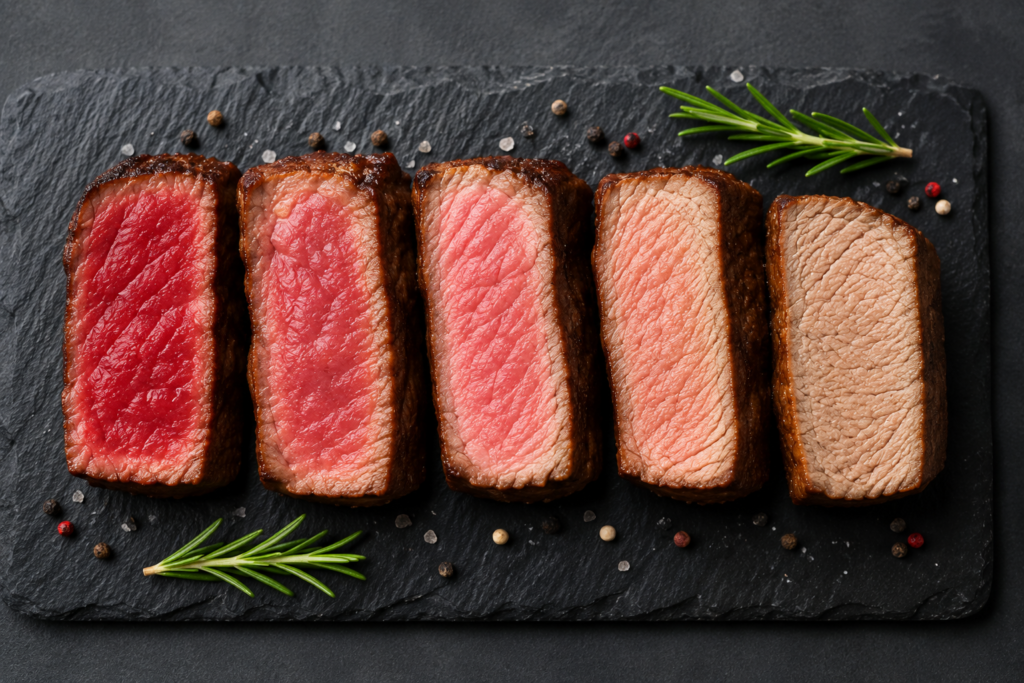
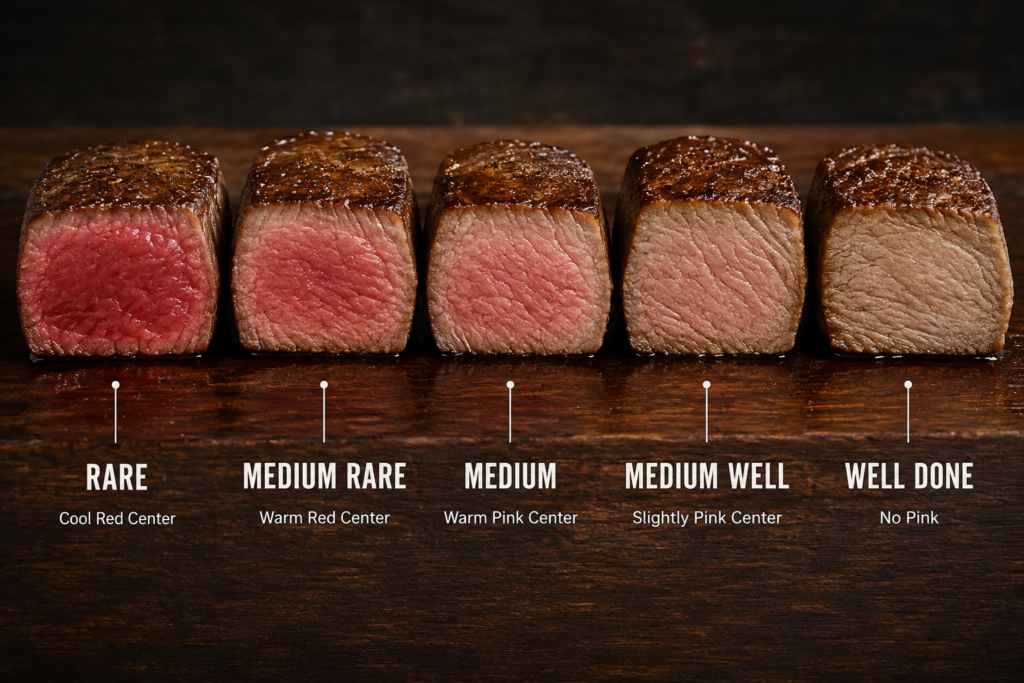
This is the least-cooked option most steakhouses will prepare. The center stays cool and bright red, the outside gets a quick sear, and the middle barely warms up. Internal temperature usually sits between 120 and 125°F.
From what I’ve seen, very few people at LongHorn order it. It’s mainly for diners who want the pure beef flavor with almost nothing else interfering. The first time I tried a true red center the texture surprised me—it feels different from anything cooked further along.
Medium Rare
This is the level many regular steak eaters prefer, and I can see why. The center is warm and still red, most of the meat stays pink, and the outside has a solid sear. Temperature lands around 130 to 135°F.
I reach for this most often with ribeye. The marbling shows off best at this stage, the meat stays juicy, and it doesn’t feel overly raw if you’re still getting used to pink centers. It’s the doneness that lets the natural richness of the cut come through clearly.
Medium
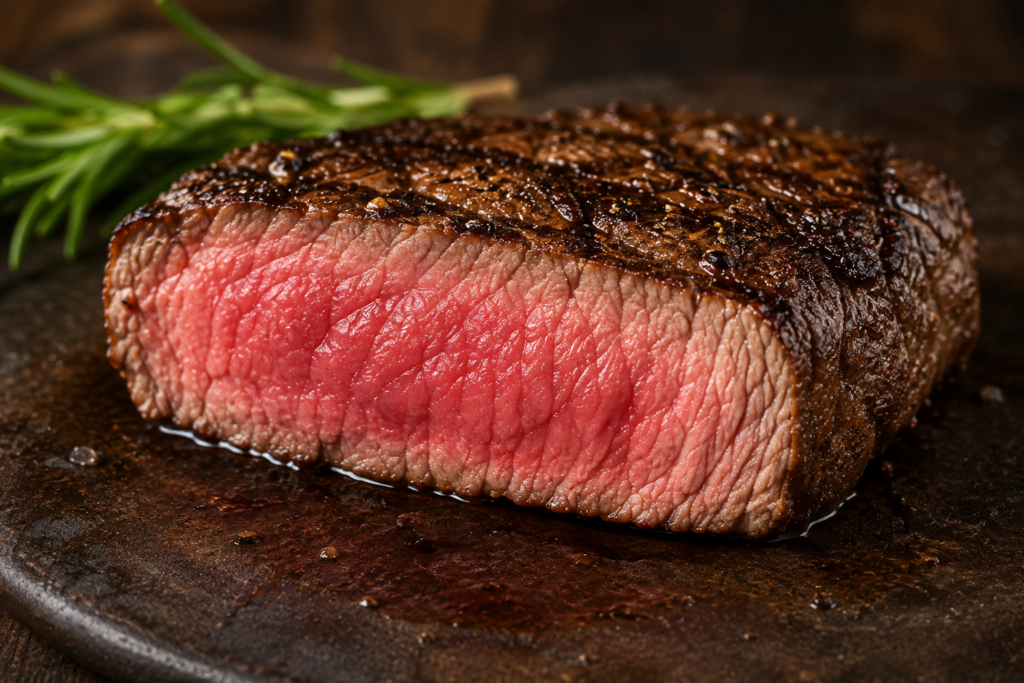
This is probably the most common request at LongHorn and almost every other steakhouse. The center of the filet is warm and pink. It feels a little firmer than rare filet.. The filet is still really moist. The temperature of the filet is around 140 to 145°F.
I always choose this kind of filet. There is pink color left in the filet to keep it from drying out.. There is not so much pink color, in the filet that it feels too intense. The filet is also a choice when you are ordering for a group of people and you do not know what kind of filet everyone likes.
Medium Well
The steak has a bit of pink in the middle and that is it. The rest of the steak is completely cooked. The temperature of the steak is, between 150 and 155 degrees Fahrenheit. At this point the steak starts to get a little dry because there is not a lot of fat left in the steak to keep it tender.
I do not usually order my steak this way. I know people who like the steak to be mostly cooked with just a little bit of pink color left in the steak. The steak is what people want when they like the meat to be fully cooked and the steak is what I am talking about.This level delivers exactly that.
Well Done
No pink remains anywhere.The steak is cooked completely it is usually 160°F or even higher. Some people who really like steak do not like this way of cooking it because the steak loses a lot of its juiciness especially when you cook leaner cuts of steak.
If you like your steak well done you should choose a steak with fat in it like a ribeye steak, instead of a filet steak. The extra fat, in the ribeye steak helps to keep it from getting too dry when all the pink color is gone from the steak.
Matching Doneness to the Cut
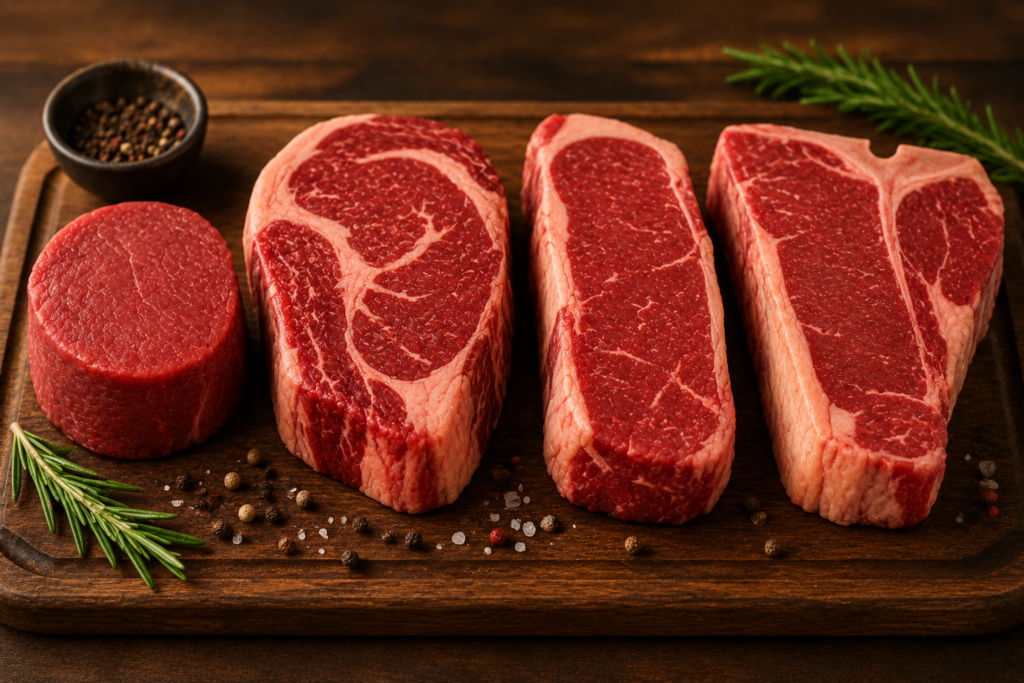
Lean cuts such as filet do best at medium rare or medium.They have almost no fat to fall back on once the temperature climbs higher, so going past medium often leaves them dry. Fattier cuts like ribeye can handle more heat—even medium well—without losing as much moisture because the marbling keeps working.
Sirloin and strip usually sit comfortably at medium. The meat stays firm enough to hold together yet does not dry out.If you are still deciding what to order, you can also explore these LongHorn Popular Items to compare some of the restaurant’s commonly chosen dishes.
In LongHorn Steakhouse steak doneness guide,Where People Go Wrong
Saying one word and trusting the kitchen to match the picture in your head. “Medium” is not interpreted the same way everywhere. If you have something specific in mind, add a short description such as “medium, warm pink center, light char.”
If you want the steak cooked all the way through a cut that has fat will work better for you.
I used to eat a steak that was not cooked the way I wanted of sending it back. I would just finish it even when it was not what I ordered. That habit ruined than one meal that could have been fixed in just a few minutes.
I used to assume that everyone, at the table wants the doneness that I do. Preference is personal. Ordering for the whole group based only on your own taste often leaves someone unhappy.If you are visiting during the day, take a look at the LongHorn Lunch Menu to see what options may fit your meal.
LongHorn Steakhouse steak doneness guide,One Small Tip That Helps
When you order, pair the doneness word with a quick description. Saying “medium rare, warm red center” gives the kitchen clearer direction than the single word alone. It’s a small habit, but it cuts down on steaks that come back different from what you expected.For diners who like discovering less obvious choices, the LongHorn Secret Menu guide is another page worth checking out.
Final Thought
Doneness is not that easy to explain when you are sitting at the table and you have to say what you want.
When you know what each level of doneness looks like and what it tastes like it is a lot easier to order food. You will not get a steak that is not what you wanted.
Time you look at the menu at LongHorn choose the level of doneness that is right for the steak you picked and the way you like to eat it.
The difference in doneness shows up when you take the bite of the steak.
Doneness is important because it makes a difference, in how much you like the steak.
Disclaimer
Disclaimer: This website is like a guide that provides information. It is not connected to supported by or paid by LongHorn Steakhouse or its parent company. All brand names, logos and trademarks belong to their owners.
Menu prices nutrition facts and other details are here for reference. They might change over time.
We suggest visitors check the LongHorn Steakhouse official website https://m.longhornsteakhouse.com/home for the latest information, before making any choices.